
Beyond Traditional Guarding: UKPGL’s Move to Technology-Enabled Managed Security
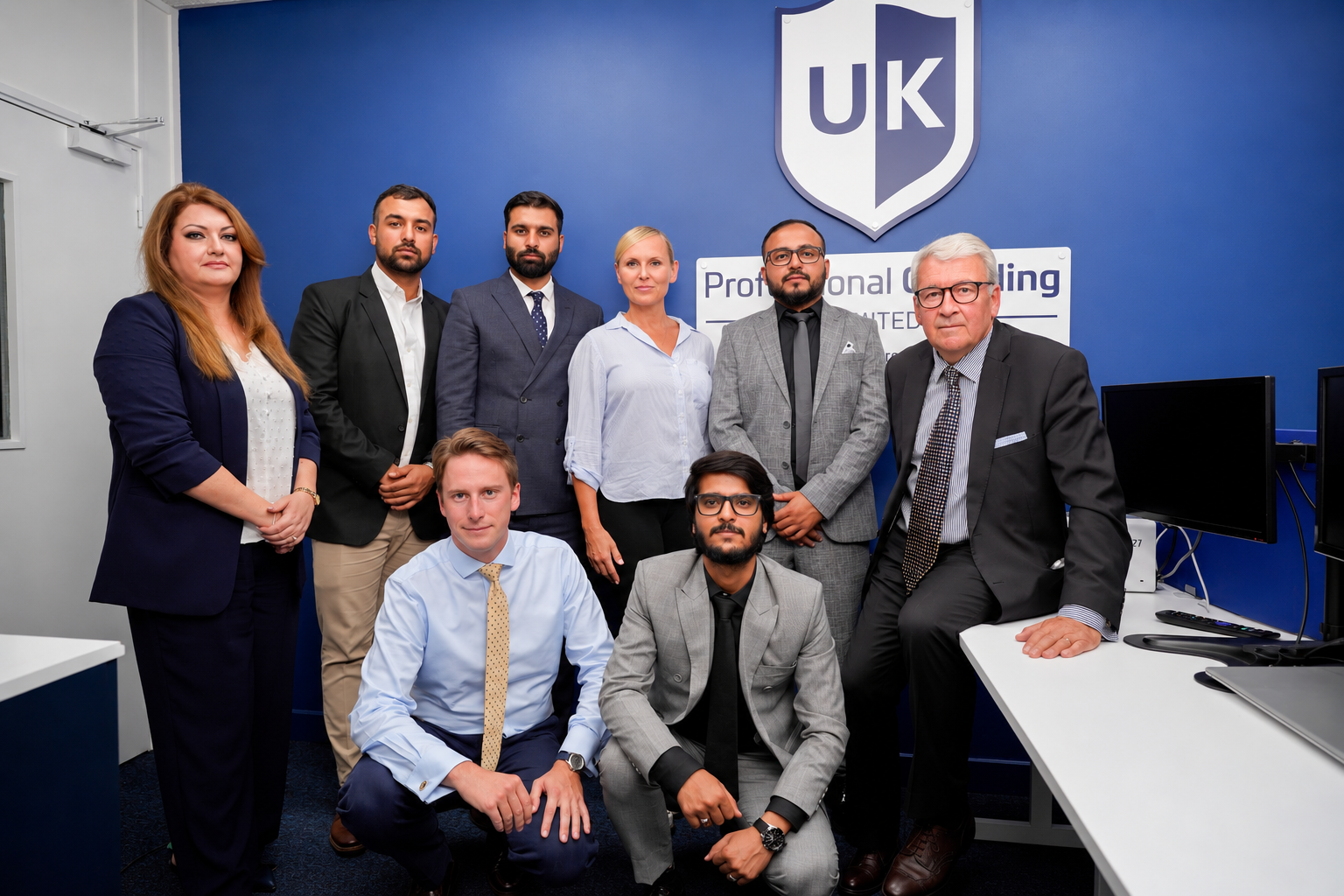
As expectations of security providers evolve, UK Professional Guarding Limited is bringing people, technology, intelligence and governance together. Managing Director Ali Awan explains why greater operational visibility matters for facilities teams — and why people remain at the heart of the service.
Security has traditionally been one of the most visible parts of a building’s operation, but visibility of the service itself can be a different matter.
Officers are deployed, incidents are recorded and reports are produced. Yet for facilities teams, understanding what is happening across the service, how it is performing and where attention may be required can be much harder.
Over the past 12 months, UK Professional Guarding Limited (UKPGL) has been working to address that challenge within its own operating model, undertaking one of the most significant transformations in its development as it moves from a traditional guarding business towards a technology-enabled managed security services provider.
The change has not been about replacing people with technology. It has been about giving people better information, better systems and greater operational support.
Led by Managing Director Ali Awan, UKPGL has invested across four key areas: people, technology, intelligence and governance. The aim has been to build an operating model where frontline security professionals, management teams, technology and intelligence work together rather than operate in isolation.
From reporting to operational visibility

Security operations generate significant amounts of information across attendance, incidents, patrols, compliance and service performance. The challenge is ensuring that information is visible, useful and capable of supporting better operational decisions.
At the centre of UKPGL’s approach is the UKPGL Operating System, which brings together five connected frameworks covering contract delivery and operational visibility, performance intelligence, people and welfare support, 24/7 operational oversight and continuous improvement.
The transformation has included investment in digital screening and onboarding, workforce management, digital attendance, officer welfare monitoring, incident reporting, patrol and operational oversight, real-time dashboards and client-facing performance information.
UKPGL has also been developing a centralised command-and-control capability designed to provide greater visibility of operations, incidents, response and emerging risks. The intention is to create a clearer connection between what happens on the frontline, how it is managed and the information available to clients.
For clients, the objective is simple: greater visibility, accountability and confidence in the service being delivered.
UKPGL’s developing client-facing technology is designed to bring together KPIs, SLA performance, reporting, compliance and service trends. Rather than relying solely on retrospective reporting, the aim is to give facilities and operational teams a clearer understanding of how their security service is performing and where attention or improvement may be required.
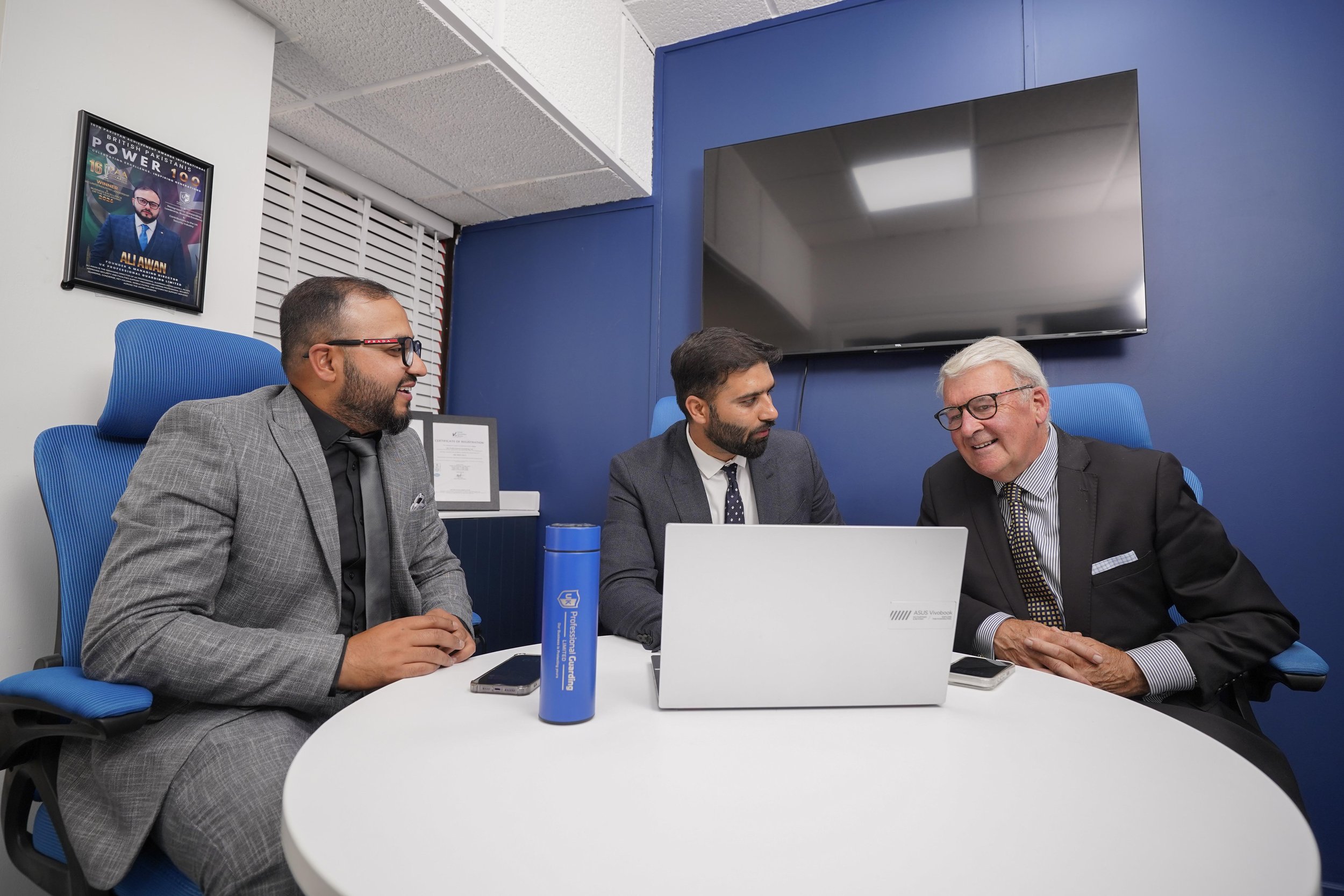
Awan believes the transformation reflects a wider change in the role of the security provider:
“Security has changed. Our clients expect more than people on site. They want visibility, intelligence, accountability and the ability to understand what is happening across their operations. Our job was to build the capability to deliver that, without losing sight of the people who make security work.”
Keeping people at the centre
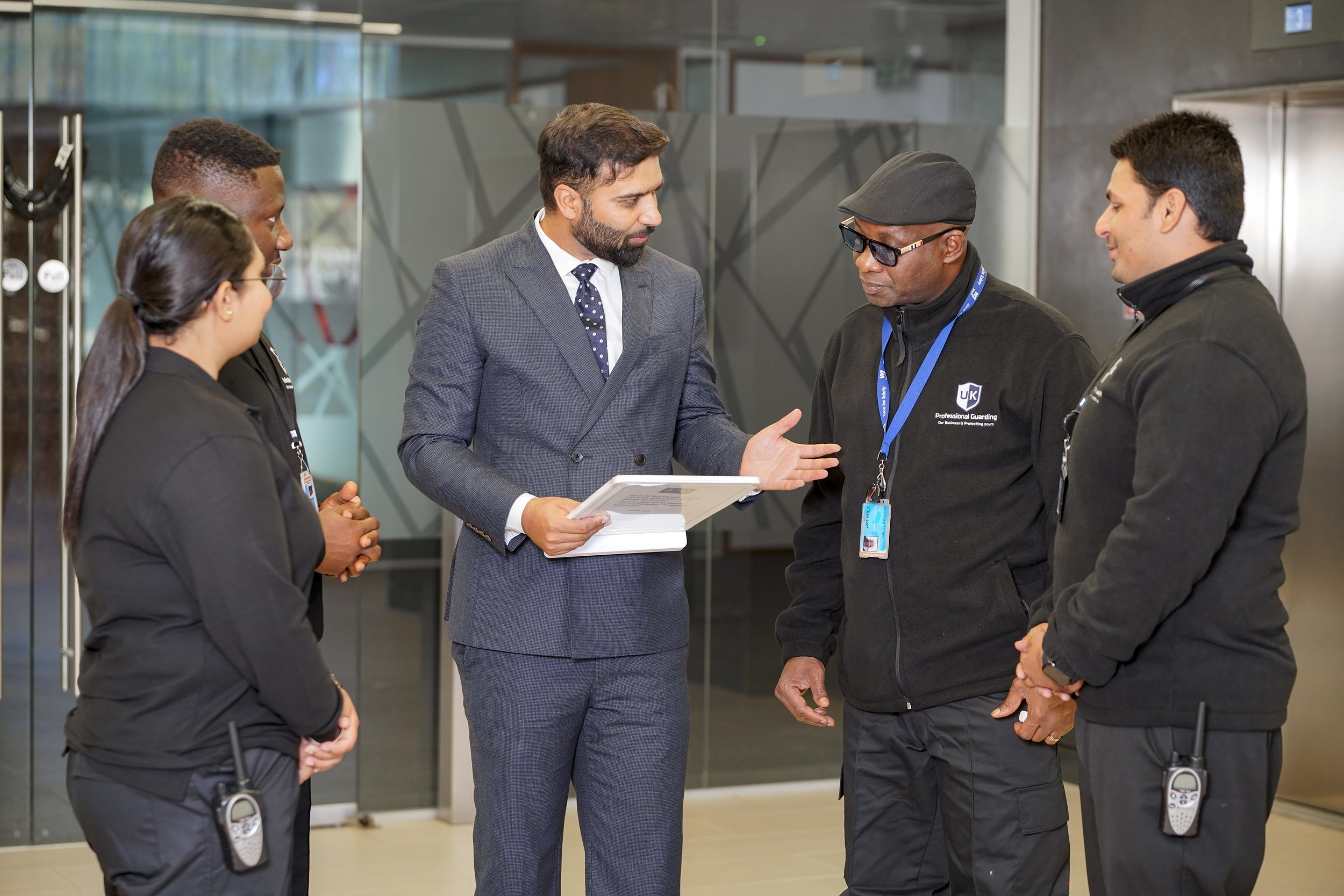
That final point is fundamental to UKPGL’s approach.
Technology can improve visibility and provide better information, but the quality of a security service still depends on the professionals delivering it. Recruitment, screening, licensing, induction, welfare, supervision and development therefore form an important part of the wider operating model.
The transformation has been supported by UKPGL’s continued investment in governance, workforce development and professional standards, alongside accreditations and certifications including the SIA Approved Contractor Scheme (ACS), ISO 9001, SafeContractor and RISQS, as well as UKPGL’s corporate membership of IWFM.
For facilities professionals, the principle is straightforward: technology should make a service easier to understand and manage, while giving the people delivering it better information and support.
Building the next stage

For UKPGL, the next chapter is about continuing to build on that foundation, connecting people and technology to deliver security, concierge and facilities support that is more visible, accountable, measurable and responsive.
The ambition is not to make technology the centre of the service. It is to use technology, intelligence and stronger management systems to help people deliver a better one — while giving facilities teams greater confidence in the operations they are responsible for.